الفرق بين الوصول واللقاء
جعل الإنترنت فناً أكثر ظهوراً مما كان أي عصر سابق يتخيّله. يمكن لشخص أن ينتقل من لوحات مذابح عصر النهضة إلى مطبوعات خشبية يابانية، ومن مصغرات مغولية إلى باسكيات، ومن رسوم الكهوف إلى الفن التوليدي، في مساء واحد.
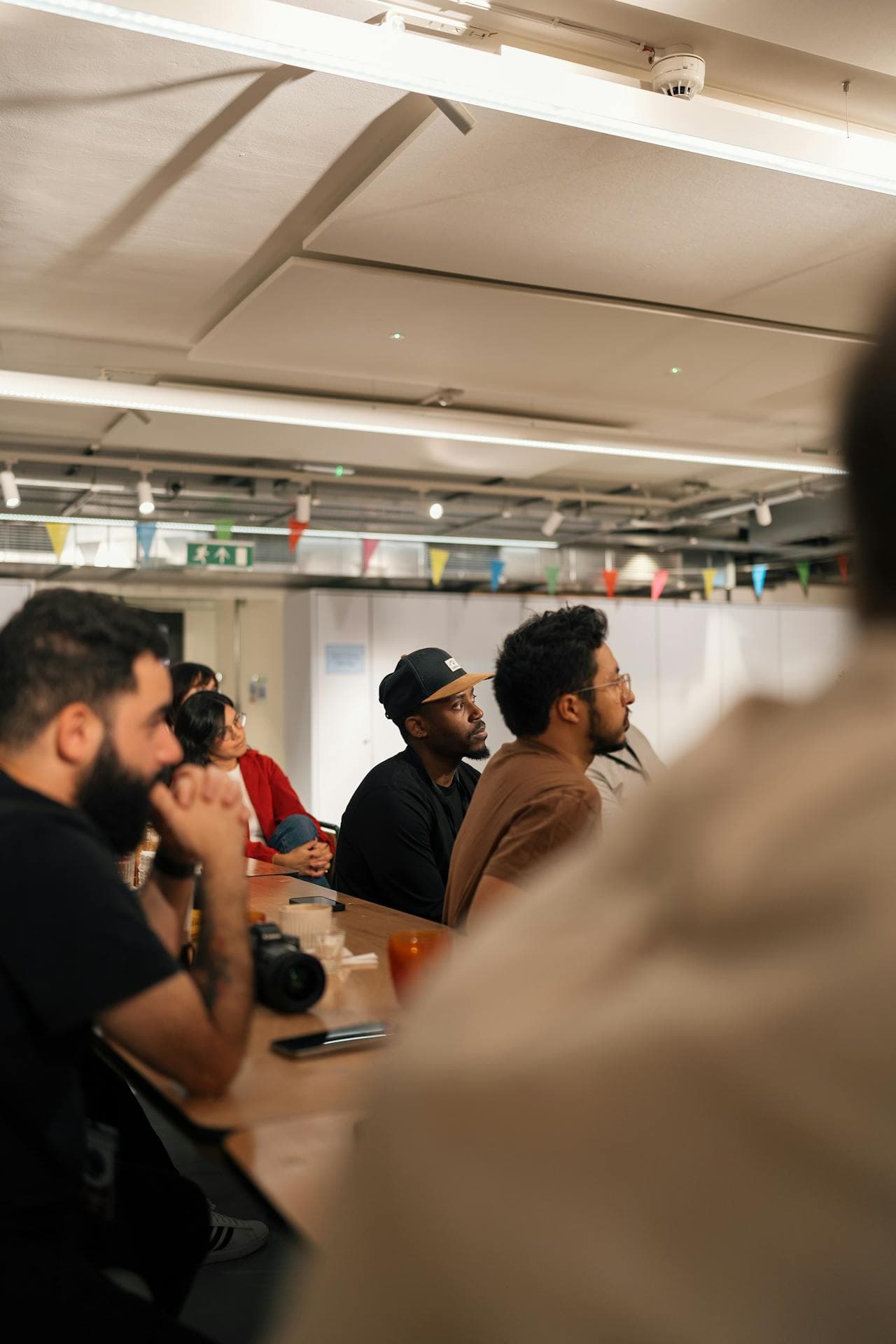
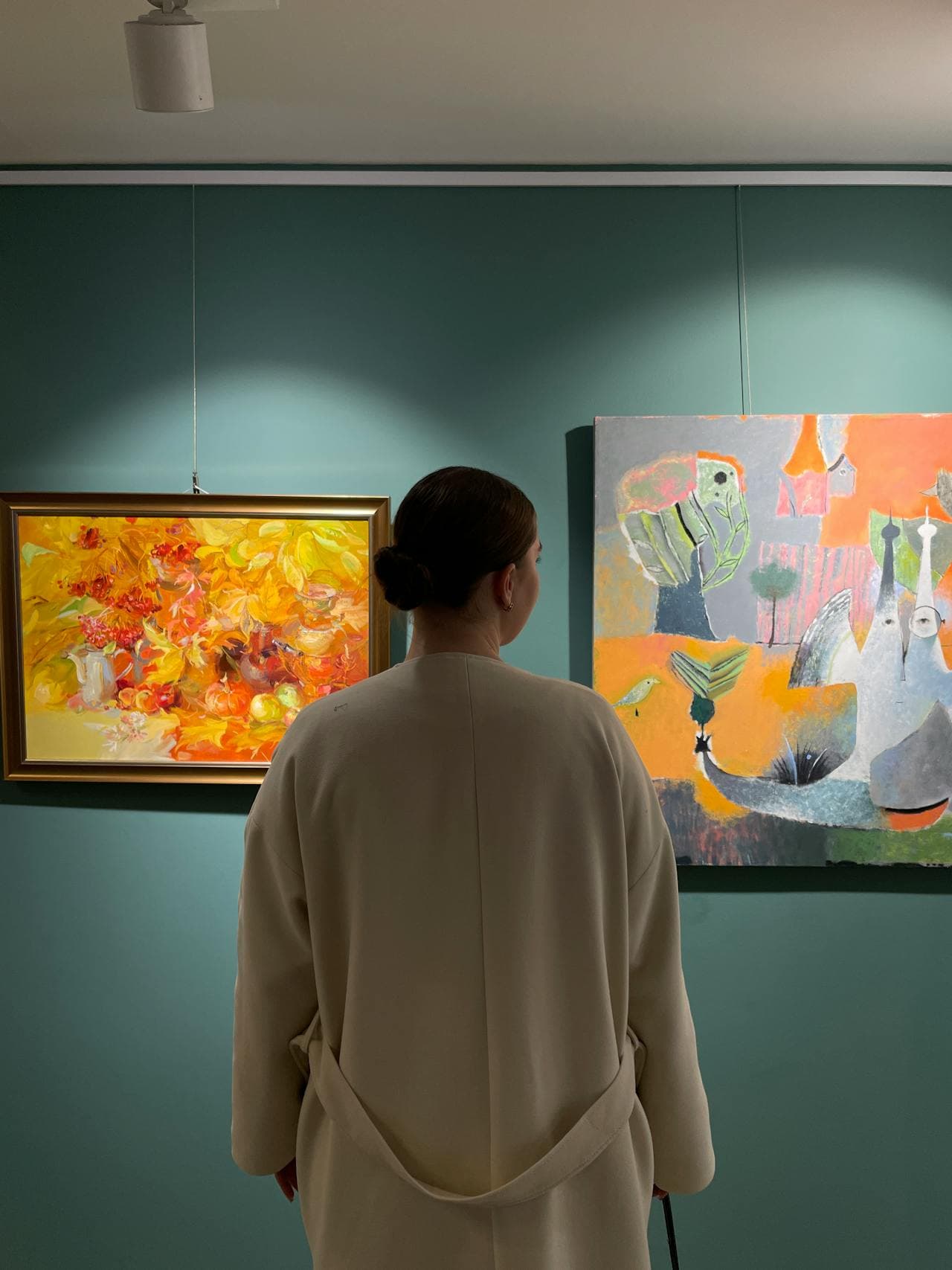
لكن الظهور ليس اللقاء. لقاء الفن ليس مجرد رؤيته. إنه أن يُبطئك، ويُربكك، ويُعلّمك، ويُغيّرك. يمكن للمنصة أن تعرض لوحة بينما تفشل في خلق الشروط التي يمكن فيها فهم اللوحة.
التحدي المركزي لتعليم الفن الرقمي ليس الوصول وحده إذن. إنه الوصول ذو المعنى.
الخلاصة تُسطّح الاختلاف
البيئات الخوارزمية بارعة في فرز الانتباه، لكنها ضعيفة في حفظ الوقار. قد تظهر تحفة، وميم، وإعلان، واستفزازاً سياسياً، وصورة شخصية في نفس التيار البصري، تحكمه نفس آليات المقاطعة.
هذا لا يدمر الفن. لكنه يغيّر وضعية المشاهد. بدلاً من اقتراب المشاهد من العمل كعالم، يتعلم استهلاكه كمحتوى. لا يصبح السؤال ماذا يكشف هذا العمل، بل كم بسرعة يكافئني؟
إذا اُختزلت الثقافة إلى التفاعل، فإن أعمق الأعمال تتأثر سلباً بدقة لأنها تطلب منا أكثر.
التنسيق كمصلحة عامة
يُفهم التنسيق أحياناً خطأً على أنه نخبوية. في أفضل حالاته، هو ضيافة. يقول: هنا مسار، وهنا سياق، وهنا سبب أهمية هذا العمل، وهنا ما ينبغي ملاحظته، وهنا كيف يتكلم هذا الشيء عبر الزمن.
سيعتمد مستقبل الوصول إلى الفن على أشكال جديدة من التنسيق تجمع بين الجدية العلمية والدعوة العاطفية. لا ينبغي إجبار الناس على الاختيار بين كثافة أكاديمية وترفيه سطحي. ستجعل أفضل المنصات الثقافية الصرامة ممتعة.
هذا وعد Artomaster: ألا تحل محل المتاحف والكتب والمعلمين والنقاد، بل أن تخلق جسراً بين الفضول والثقافة الفنية.
لماذا يهم الفن للمجتمع
الفن ليس منفصلاً عن الحياة العامة. يشكّل الانتباه والتعاطف والذاكرة التاريخية والهوية والخيال. مجتمع يفقد التماس مع الفن يصبح أفقر في الفئات المطلوبة للحياة الأخلاقية والسياسية.
غرض تعليم الفن ليس إنتاج اتفاق. إنه توسيع الإدراك. يتيح للناس تجربة قرون أخرى، وآلام أخرى، وأشكال أخرى من الجمال، وترتيبات أخرى للمعنى.
في زمن الصور الاصطناعية والتسارع الخوارزمي، دفاع الفن هو أيضاً دفاع عمق الإنسان.